Recognizing Patterns
Noticing when energy levels tend to shift during the day is the first step toward understanding your personal rhythm and how activities influence it.
Explore practical principles for maintaining steady energy throughout the day, built around gradual transitions rather than abrupt shifts.
Explore Daily FlowMany daily routines involve sudden changes in intensity. Exploring a steadier approach may support a more balanced sense of rhythm throughout the day.
Noticing when energy levels tend to shift during the day is the first step toward understanding your personal rhythm and how activities influence it.
Moving between tasks with awareness rather than abruptly switching can support a more even flow of attention and engagement throughout the day.
A flexible daily framework allows you to respond to how you feel without rigid schedules, adapting pacing based on your current state.
Rather than viewing the day as isolated blocks of time, consider it as a single arc of activity that rises, sustains, and gradually settles.
This perspective invites attention to how you transition between phases, whether from rest to activity, from focused work to lighter tasks, or from afternoon engagement to evening stillness.
Learn About Daily Flow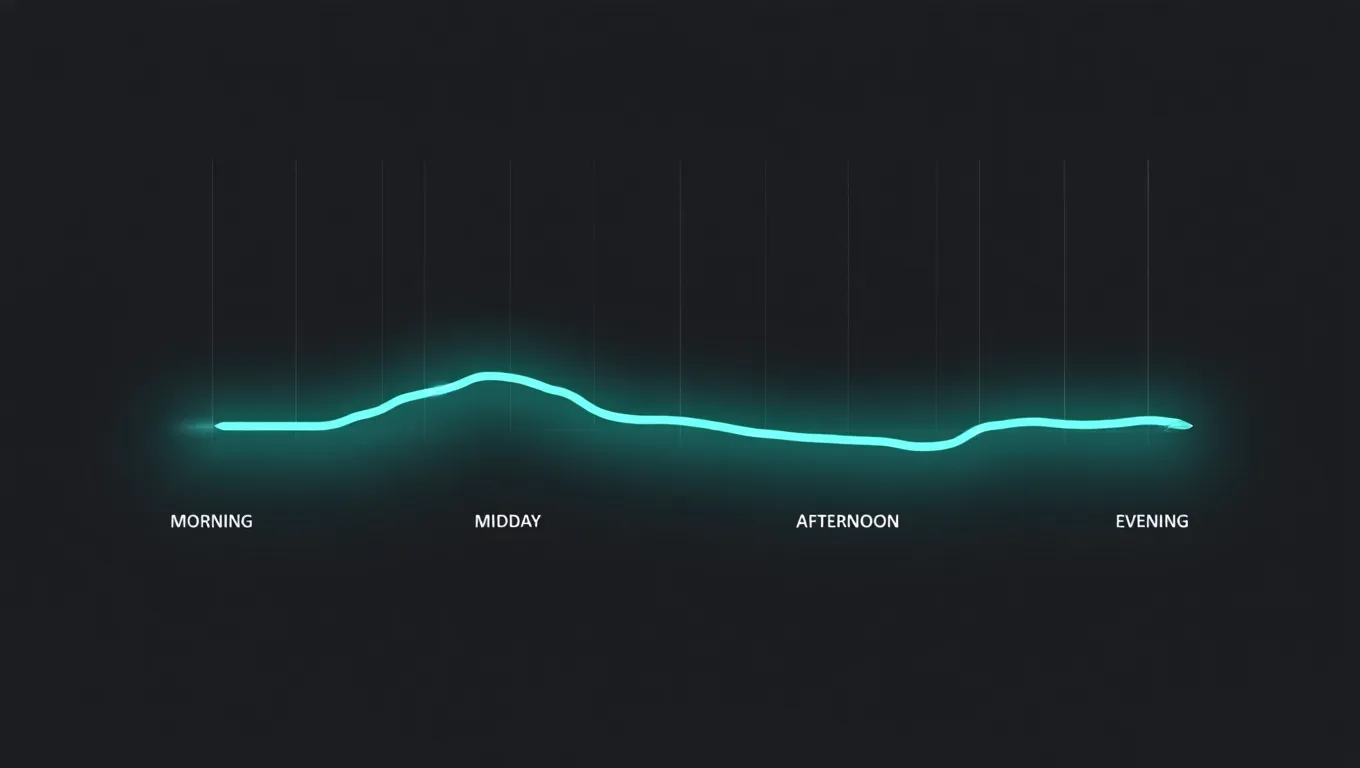
These ideas form the foundation of a rhythm-based approach to daily structure. They are general concepts to consider, not prescriptive rules.
Prioritizing even distribution of effort across the day, rather than concentrating all activity into short bursts followed by extended rest.
Alternating between types of engagement — active and reflective, focused and open — can support a sustainable pace and a more even sense of effort across the day.
Giving yourself a brief transition period between activities creates continuity, allowing each phase to begin without the residual tension of the last.
Starting slowly, building gradually, and tapering intentionally mirrors natural patterns and may contribute to a more stable sense of daily rhythm.
Perspectives from individuals who have explored rhythm-based daily structuring. These are personal reflections, not endorsements or verified outcomes.
"I started paying more attention to how I move between tasks during the day. It gave me a new way to think about my schedule that feels less rigid."
"The idea of viewing the day as a single flow rather than separate time blocks was interesting. I've been experimenting with softer transitions between activities."
"I found the pacing concepts thought-provoking. It's a different framework for thinking about how I organize my day, and I appreciate the balanced approach."
Sustained attention is not about forcing concentration. It involves creating conditions where focus can arise naturally and be maintained through thoughtful pacing.
Notice when you naturally focus well and when attention drifts. These observations form the foundation for a personal focus routine.
Alternating between focused work and brief recovery periods supports sustained engagement without depleting your attention resources.
Brief pauses between concentration periods are not interruptions — they are essential components of a sustainable attention practice.
We welcome your reflections, questions, and feedback about the ideas shared on this site.
Get in TouchAll materials and practices presented are educational and informational in nature and are aimed at supporting general well-being. They do not constitute medical diagnosis, treatment, or recommendation. Before applying any practice, especially if you have chronic conditions, please consult a physician.